
Here you will find our latest annual report outlining the achievements and ongoing actions of our Committees and Working Groups.
Category:
Annual Report 2026
juillet 6th, 2026 by Kate KankindiELA NewsletterAutumn-Winter 2026
mars 30th, 2026 by YasminaA word from the President

ELA is the European “home” of its national member associations, a place for participation and exchange. Nevertheless, I have always believed that those who pro-tempore lead the organization should find the time to visit the premises of the national members, engaging with them on key priority topics. For this reason, my visits have continued, accompanied by the Secretary General, to Greece (PETAK), Germany (VFA), and Italy (ASSOASCENSORI).
Nuremberg, following Istanbul (ASANSOR) and London (LIFTEX), has, for the first time in its history, hosted the prestigious trade fair known as INTERLIFT. As always, ELA was present with its own stand for the entire duration of the event. It was an opportunity to welcome our members, visit their stands, and promote the most significant initiatives developed by the Association. This year, our contribution to the VFA-Forum was dedicated to the launch — together with EFESME — of the European Safety Day, to be celebrated annually starting on 28 April 2026. However, INTERLIFT is also a venue that brings together international stakeholders from our sector, alongside the European members we represent. For this reason, a meeting was held during the event with our partners from the World Elevator & Escalator Federation (WEEF).
Of particular significance was the preparatory work carried out with our Chinese colleagues from the China Elevator Association (CEA). This work aimed at defining the agenda for ELA’s mission to Langfang, which took place in the first week of November 2025.
Obviously, over these past months, we have also paid close attention to ELA’s “internal organization”. For the first time, I convened a meeting between the members of the Board and all the Chairs and Convenors of the technical committees. This meeting, which originates from the heart of the organization and will now become a regular fixture (every two years), is one from which I expect valuable input and proposals — which I will report to you in the next newsletter.
New ELA Committees & WG members
- Paula Casares (EEA), new chair of the Energy & Environment Committe
- Daniel Bisang (EEA), new member of the Codes & Standards Committee
- Alper Caliskan (EEA), new member of the ESMO Working Group
- Claude Diot (EEA), transferring from the Digitalization & Cybersecurity Committee to the Data WG
- Oliver Folini (EEA), new member of the Digitalization & Cybersecurity Committee
- Jaana Hänninen (SUHY), new member of the Energy & Environment Committee
- Philippe Henneau (EEA), new member of the Data WG
- Robert Hild (VDMA), new member of the Legal Committee
- Mika Katara (EEA), new member of the Digitalization & Cybersecurity Committee
- Sven Kopp (EEA), new member of the Statistical Committee
- Sophie Maublanc (EEA), new member of the Budget Committee
- Wolfgang Meier (VDMA), new member of the Codes & Standards Committee
- Michael Puttrus (VFA-Interlift), new member of the Data WG
- Georg Schattney (VDMA), new member of the Energy & Environment Committee
- Moritz Villinger (EEA), new member of the Digitalization & Cybersecurity Committee
The full composition of the Committees and Working Groups can be found on the website
ELA General Assembly
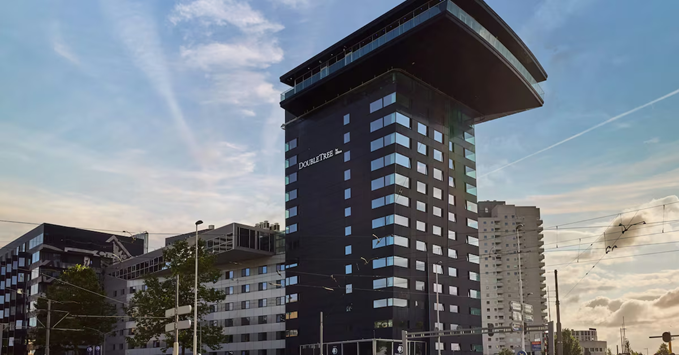
On Wednesday, 27 May 2026, the ELA General Assembly will take place in Rotterdam (NL), followed by the annual conference dedicated to the topic of Artificial Intelligence. We warmly welcome all members to join us at the Hilton Double Tree Hotel to celebrate, together, the most significant institutional events of our Association.
ELA & EFESME celebrate the first EUROPEAN ELEVATOR SAFETY DAY
On 28 April 2026, the ELA headquarter in Brussels will host the European Elevator Safety Day, organized for the first time this year together with our friends at EFESME. Supported by the European Commission and the European Agency for Safety and Health at Work (EU-OSHA), the event will be open to all ELA members and is expected to evolve into a global initiative starting next year.
High-Level Forum On European Standardization – HLF
On 19 March, in the presence of the President and Secretary General of ELA, the fourth meeting of the Forum dedicated to European standardization took place under the auspices of the European Commission. The meeting reviewed key achievements and lessons learned, and validated the strategic priorities and workplan for the 2026–2028 period. It has been focused on the revision of the Standardization Regulation that the Commission will propose as part of the European Product Act in the third quarter of 2026.
ELA Hot topic not to be missed:
INTRODUCTION OF (EN) ISO 8100-1/2:2026
We are pleased to annouce the publication of the document “INTRODUCTION OF (EN) ISO 8100-1/2:2026 Main differences in comparison with EN 81-20/50:2020 (Overview of key updates, structural changes and technical clarifications)“.
Documents are publicly available in the Resources section of the ELA website : https://www.ela-aisbl.eu/library/ (also accessible via the EEA website).
This document was produced by the European Elevator Association (EEA) jointly with the European Lift Association (ELA) and has also been published via a Communication Hot Topic for the ELA members.
The ELA Modernization toolbox
ELA has launched a new Modernization Toolbox to support members in navigating the growing need to upgrade Europe’s ageing lift stock. With over half of the 7 million lifts in operation now more than 25 years old, modernization has become essential for improving safety, accessibility, energy efficiency, and overall performance.
The Toolbox brings together statistical insights, surveys, white papers, and practical guidance to help stakeholders understand today’s challenges, communicate the value of modernization, and plan effective interventions.
Explore the full article to discover what’s inside the Toolbox and how it can help you drive modernization forward. ELA Modernization Toolbox • ELA
WELCOME, KATE!
We are pleased to inform you that we have a new colleague, Kate Kankindi, who has joined the ELA & EEA Team as administrative assistant and important support for the activities of the Committees and WGs.

Kate is Belgian and lives in Brussels. She speaks fluent French and English with good knowledge of Spanish. She is reachable (kate.kankindi@ela-aisbl.org) on full-time basis from Monday to Friday between 9.00 and 17.00.
Let’s welcome Kate and wish her all the best!
ELA Newsletter Spring-Summer 2025
juin 17th, 2025 by YasminaA word from the President
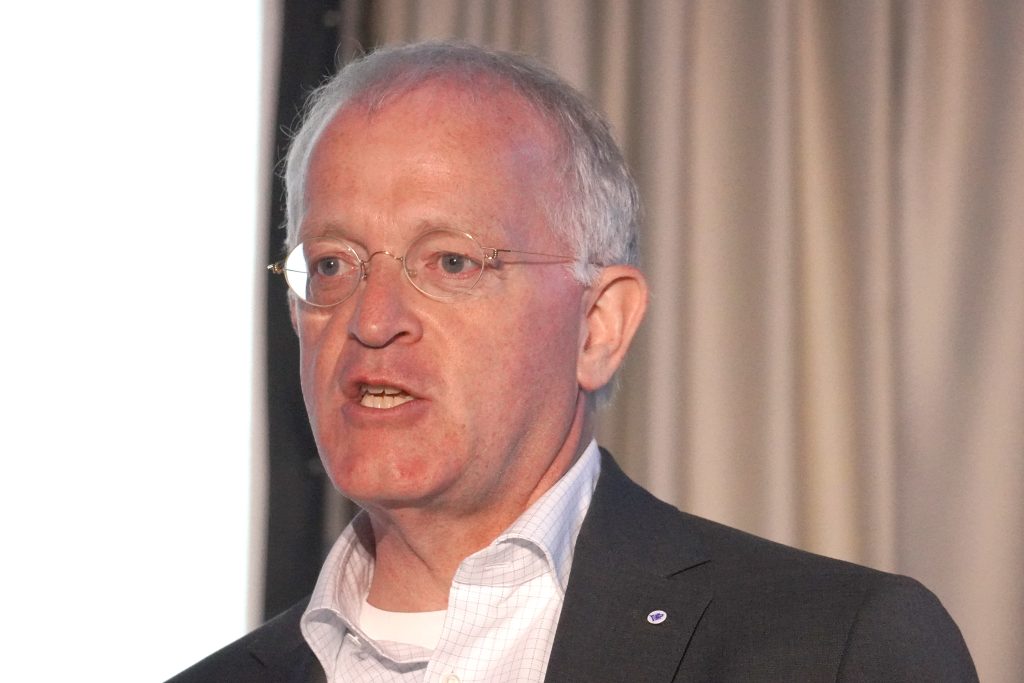
I would like to open this Spring edition by recalling the recent meetings with the Board of the Irish association “ILEA” (also attended by representatives of LEIA), as well as ELA’s participation in the trade fairs held in Istanbul (Asansör) and London (Liftex).
In March, an important meeting took place in China to strengthen our collaboration with the China Elevator Association (CEA) and our partners in Asian countries.
In April, I convened the members of the World Elevator and Escalator Federation (WEEF) in Frankfurt, where we were joined by new members from the United States (NAEC) and India (EECMAI). It was a highly engaging meeting, allowing to focus on areas of joint interest at a global level.
At the European level, our dialogue with EFESME continues, with safety becoming an increasingly central theme in our respective activities.
Our General Assembly took place in Warsaw on 21 May, hosted by PALM, alongside our annual conference, of which this year’s theme focused on modernization—a particularly complex issue that will continue to require our dedicated efforts in the coming years.
As the Polish Presidency of the European Union comes to an end, the upcoming six-month Presidency (July–December) appears poised to prioritise industry and environmental policy. I wish Denmark every success in this endeavour.
I also wish you an enjoyable read of this newsletter—and, above all, my very best wishes for the upcoming summer holidays.
New faces at the Board


New ELA Committees & WG members
- Frank Roussel (VSA), new Chair of the Digitalization & Cybersecurity Committee
- Ana Belen Piazuelo (FEEDA), new member of the Components Committee
- Claude Diot (EEA), new member of the Digitalization & Cybersecurity Committee
- Christella Herzog (VFA-Interlift), new member of the Safety, Education & Training Committee
- Timothy Neefs (AGORIA), new member of the TELCO WG
- Vicente Pacheco (FEEDA), new member of the Digitalization & Cybersecurity Committee
- Zigor Salvador (EEA), new member of the DATA WG
- Robert Verspuy (VLR), new member of the Digitalization & Cybersecurity Committee and DATA WG
- Peipei Wang (VFA-Interlift), new member of the DATA WG
ELA General Assembly & Conference 21 & 22 May 2025 – Warsaw

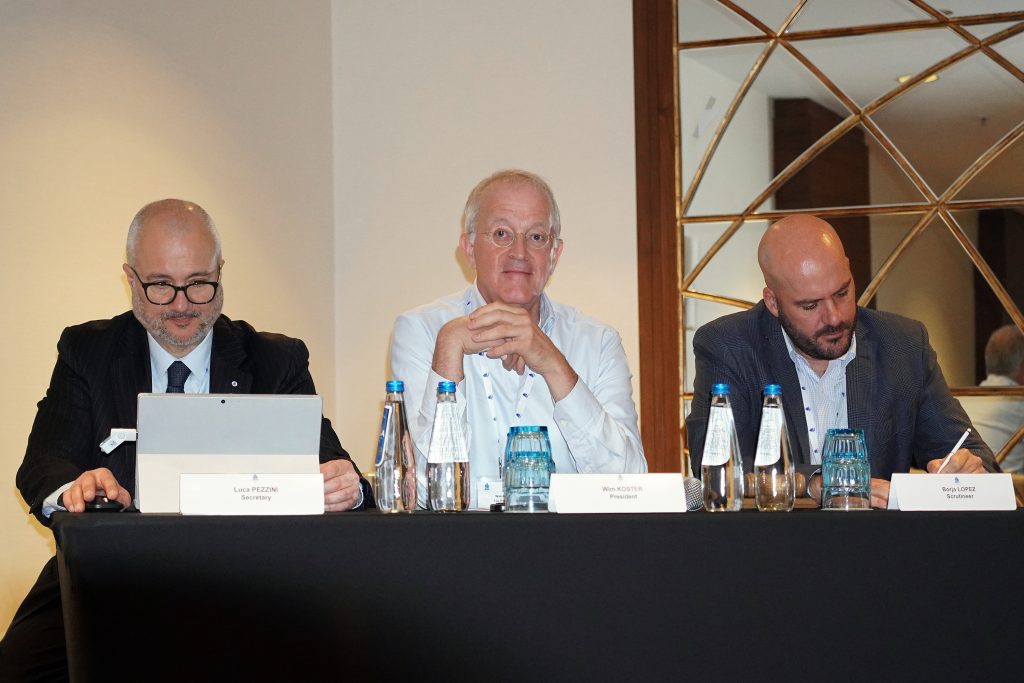
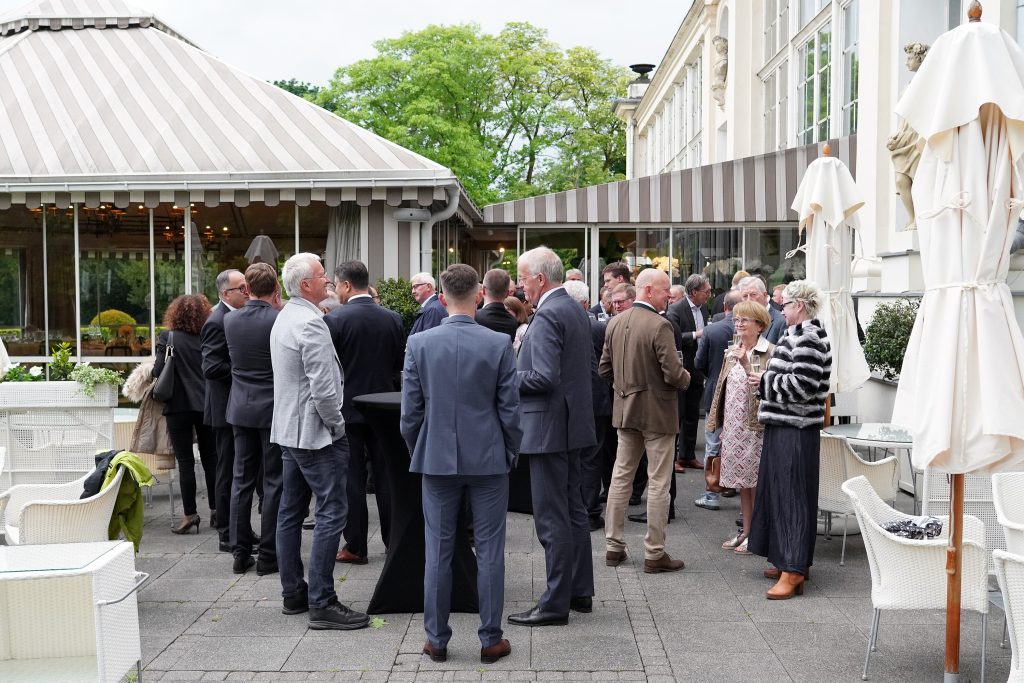
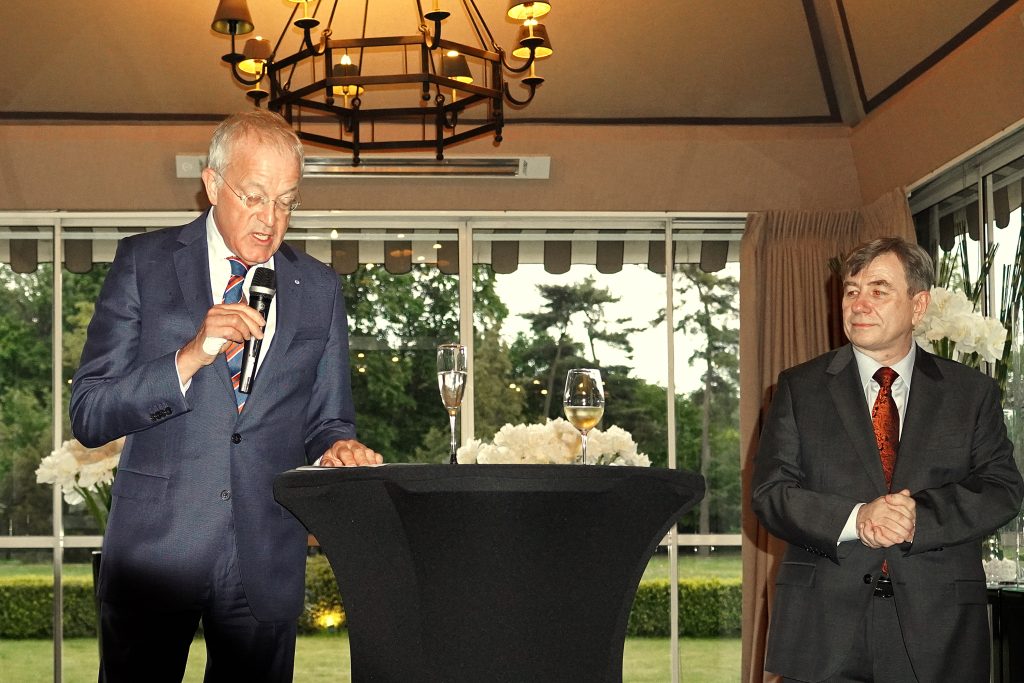
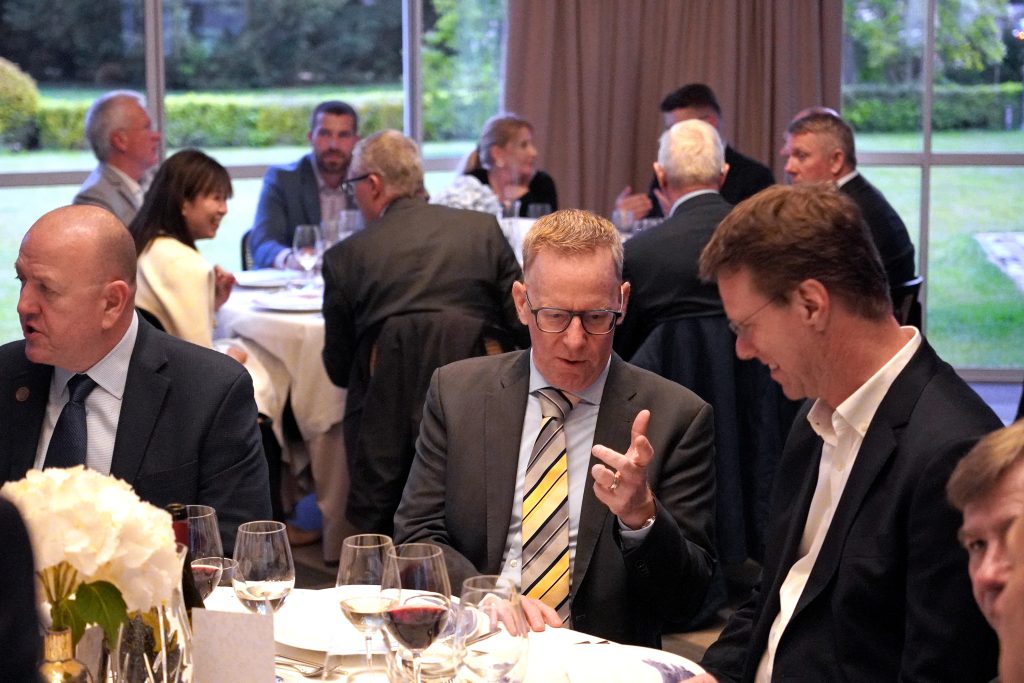
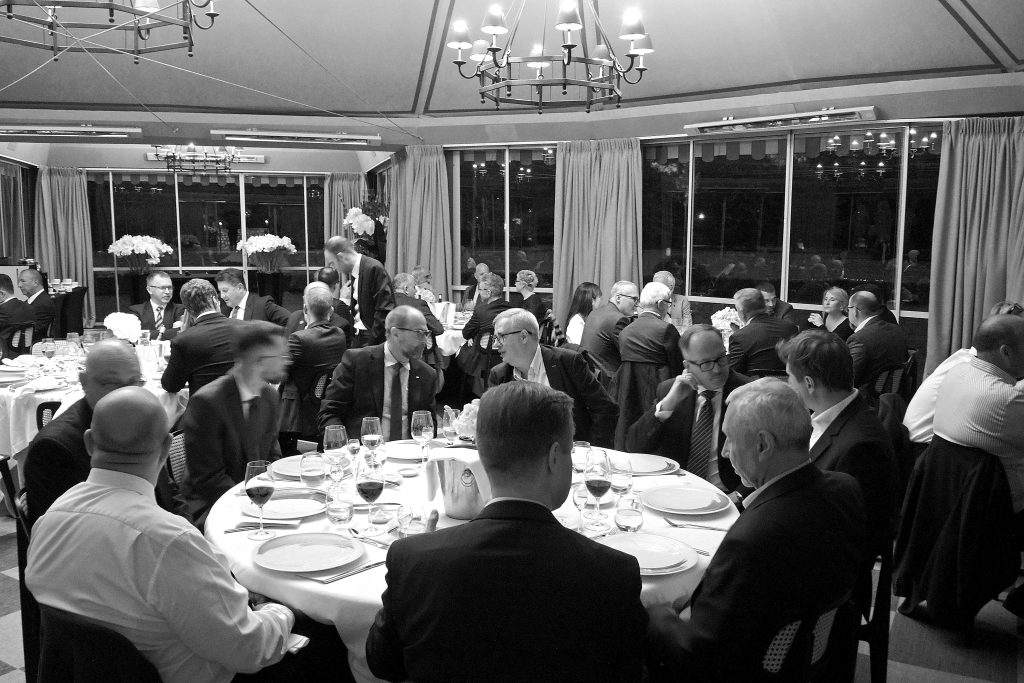
In an atmosphere made even more engaging by Poland’s Presidency of the European Union, which is set to conclude at the end of June, the annual events of our Associations were held in Warsaw. Important decisions were taken by the respective General Assemblies on the day preceding the Annual Conference, which this year focused on the theme of “modernization”. Following the opening remarks by the Chair of ELA and representatives of the host association (PALM), the Conference featured contributions from representatives of the European Commission (DG Grow and DG Energy), the China Elevator Association, and the Polish representative of UDT (Technical Inspection Office). As always, ELA experts, divided into the four main working sessions, presented their work and technical insights on key issues related to modernization to a large and attentive audience. Our Chair Wim Koster concluded the proceedings by inviting everyone to Rotterdam for next year’s events. The elegant gala dinner provided an excellent opportunity for participants to exchange impressions, comments, and evaluations in a warm and convivial atmosphere.
SRI Promotion Video
Discover the SRI Promotion Video prepared by our SRI Working Group.
ELA White Paper on Modernization
One significant and recent outcome from the SAEL Working Group, with the support of the Codes & Standards Committee, has been the publication of the ELA White Paper on Modernization as well as its executive summary.
These documents explain why and how modernizing existing lifts in buildings supports a green, digital and resilient European Single Market.
With the population in Europe steadily aging, accessibility and mobility within buildings represent a strong driver for modernization, with particular emphasis on inclusiveness and quality of life aspects.
Lift owners are urged to take action to modernize their existing lifts to prevent accidents, further advance accessibility for elderly and people with disabilities and improve the overall energy efficiency of their buildings.
Although new state-of-the-art lifts will continue to be installed in newly constructed buildings, replacing every existing lift with a new one might not be a sustainable nor cost-effective solution. Modernizing existing units may be a much more sustainable option, and can generate significant social, environmental, and economic benefits – for individuals, the society at large, as well as our planet.
Many solutions are available on the market to upgrade the stock of existing lifts, contributing to enhance their safety, to ensure better accessibility for all the users, and to improve the energy efficiency of the buildings.
Asansör İstanbul | 15-18 May 2025 – 19TH INTERNATIONAL LIFT EXHIBITION
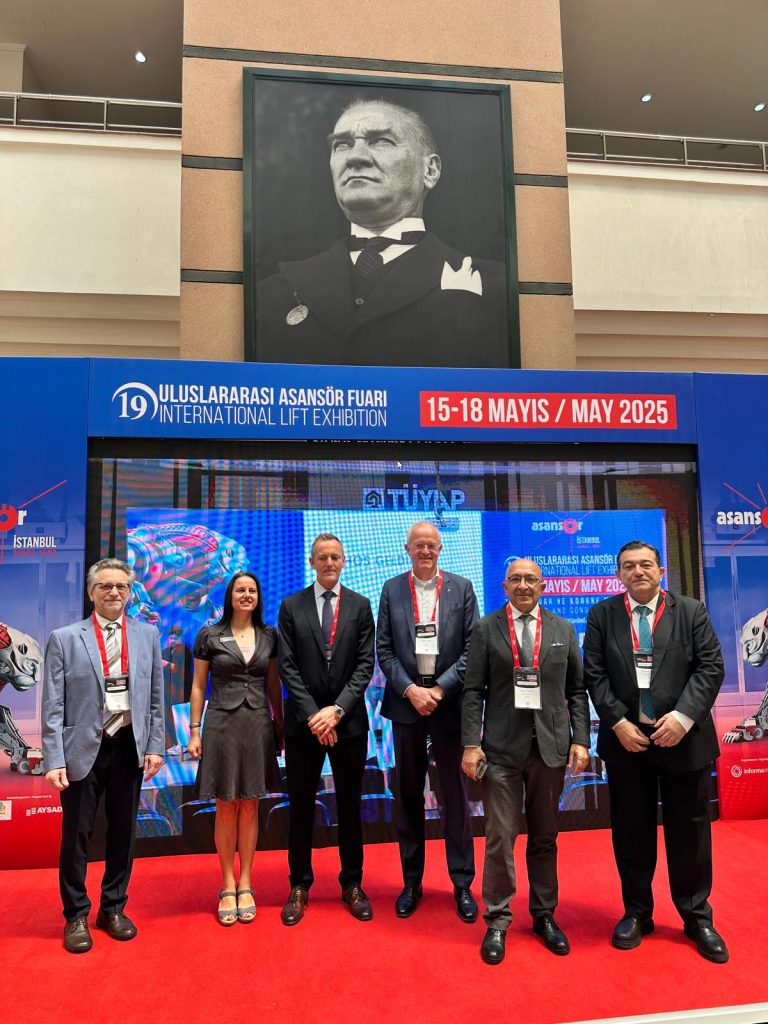
The most significant edition in terms of attendance—both visitors and exhibitors—took place in Istanbul last May. Our Association was present both at the opening celebrations of the fair, with a message delivered directly by the Chair Wim Koster, and in the following days through presentations given by ELA experts. Several EEA members were also present with their own stands, alongside numerous representatives of AYSAD, with whom strong collaboration and synergy continue to be reaffirmed.
LIFTEX 2025 | 11 – 12 June 2025 – 37TH EDITION
ELA participated to the UK’s only dedicated exhibition for the lift, escalator, and access industry. LIFTEX is organised by the Lift and Escalator Industry Association (LEIA) and held once every three years. It features over 100 UK and international exhibitors showcasing the latest products and services and attracts 4,000 attendees. Two days of invaluable learning, networking, and business opportunities. The presence of ELA, alongside LEIA and numerous members, represents an important opportunity to express our support for the Lift Industry and to gather information about the needs and expectations of our members.
Annual Report 2025
mai 27th, 2025 by YasminaHere you will find our latest annual report outlining the achievements and ongoing actions of our Committees and Working Groups.
CEN and CENELEC announce that the 2025 Work Programme has been published!
février 14th, 2025 by YasminaThe Work Programme is one of the flagship publications of CEN and CENELEC, setting out the priorities and most important actions in European standardization for the year ahead.
CEN and CENELEC are looking forward to working together with their members and partners (as ELA) and with the European institutions to build a European Standardization system that is effective, inclusive, and future-oriented, to the benefit of Europe’s economy, industry and citizens.
It’s available for you here.
VSA leaflet on external installations in the lift shaft/machine room
janvier 21st, 2025 by YasminaThe Swiss Lift Association VSA has published the following leaflet on external installations in the lift shaft/machine room.
The updated leaflet is available in both German and French :
Leaflet on external installations in the lift shaft/machine room – German
Leaflet on external installations in the lift shaft/machine room – French
What is SRI ?
avril 1st, 2023 by YasminaIntroduction
Smart technologies will be an essential enabler to decarbonize the building sector, while offering healthier, more efficient, safer and comfortable living environments.
To embrace this opportunity, Member States are now officially invited to contribute to the optional pilot testing of the Smart Readiness Indicator (SRI), a rating scheme designed to assess our buildings’ capacity to accommodate smart-ready services, which was introduced in the revised Energy Performance of Buildings Directive (EPBD) and its subsequent regulations. To work hand in hand with and to support this roll-out and testing phase, the European Commission DG Energy has launched its dedicated technical assistance service for testing and implementation of the SRI.
What is SRI ?
- What makes a building smart?
The ‘smartness’ of a building refers to its ability to sense, interpret, communicate and actively respond in an efficient manner to changing conditions in relation to :
- the operation of technical building systems,
- the external environment (including energy grids),
- demands from building occupants.
The SRI rates the smart readiness of buildings (or building units) in their capability to perform 3 key functionalities:
- optimize energy efficiency and overall in-use performance,
- adapt their operation to the needs of the occupant,
- adapt to signals from the grid (for example energy flexibility).
- Advantages
The SRI will raise awareness of the benefits promised by smart building technologies, such as building automation and electronic monitoring of building systems including heating, hot water, ventilation, lighting, etc.
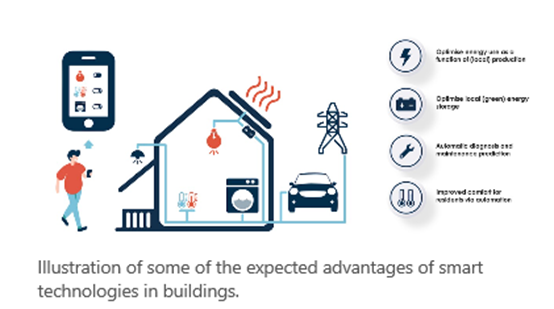
Through the implementation of the SRI framework, technological innovation in the construction sector is supported, which creates an incentive for the integration of cutting-edge smart technologies in buildings.
Further information on SRI can be found on Smart readiness indicator | Energy (europa.eu)
SRI testing and implementation
The smart readiness indicator was adopted by the revised Energy Performance of Buildings Directive “EPBD” in 2018, and its subsequent regulations (Delegated Regulation and Implementing Regulation) have triggered an optional testing and implementation phase.
Therefore, EU countries and regions may decide to implement the SRI on (part of) their territory, for all buildings or only for certain categories of buildings.
The Commission will provide support and guidance to EU countries and regions that undertake a test phase of the SRI. A FAQ will be made available and kept updated.
- SRI Platform
The SRI platform will offer a permanent forum to allow different interested parties, including private sectors, academia, Member States representatives and the Commission Services, to meet and exchange information and share experiences on national SRI testing, implementation, recommendations on possible evolutions and next steps of the SRI.
A two year service contract has been awarded to a team comprised of VITO (Belgium), Waide Strategic Efficiency Europe (Ireland), Research to Market (R2M) Solution (France) and LIST, the Luxembourg Institute of Science and Technology.
This contract will provide technical assistance to the European Commission services and to Member States in the first phases of the testing and implementation of the SRI. This will include the set-up of a direct support framework in cooperation with Member States and stakeholders, including a helpdesk and technical and training material. The contract will also assist in the preparation of implementation guidance and provide additional technical support. Finally, the contract will assist the European Commission services in the promotion of the SRI, including the establishment and operation of a SRI Platform, which will consist of a multi-stakeholder forum to support and monitor the implementation of the SRI, and to issue recommendations on possible future evolutions of the SRI.
A first meeting of the SRI platform will be planned for the end of the year. The format and timing of this meeting will be announced in later communications.
Achieving ‘net zero’ for the lift industry – is it possible?
janvier 14th, 2023 by YasminaBy Massimo Beccarini

Global commitments and actions to avert the worst effects of climate change are growing, but they still fall far short of the target to limit the rise in global temperatures to 1.5 degrees Celsius. The European Commission has stated that the European building sector is the largest single energy consumer in the EU, responsible for approximately 40 percent of energy consumption and 36 percent of CO2 emissions in the EU. It is estimated that lifts consume between two and five percent of the energy consumption of buildings. The lift industry can therefore contribute towards decarbonizing the built environment by providing energy efficient solutions, and reducing the carbon emitted during the production of materials.
Net zero and the impact of the building sector
Net zero is another term for carbon neutrality; i.e. when the balance between the total amount of greenhouse gas produced and the amount removed from the atmosphere is equal. The EC has set a long-term goal of becoming climate neutral by 2050[1], in line with global commitments to secure global net zero by mid-century and keep the goal of 1.5 degrees within reach[2].
The EC has set various initiatives and schemes in place to help achieve this difficult task. These include the Recovery and Resilience Facility (RRF)[3], the European Green Deal[4] and the new Social Climate Fund[5].
The building sector is the largest single energy consumer in Europe[6]. Around 75 percent of current building stock in the EU is deemed energy inefficient, meaning that a large proportion of the energy used goes to waste. Smart solutions and energy efficient materials are needed not only for new buildings, but also for the renovation of existing buildings, which could reduce the EU’s total energy consumption by five to six percent and lower carbon dioxide emissions by about five percent. Yet, on average, less than one percent of the national building stock is renovated each year. In order to meet the EU climate and energy objectives, the current rates of renovations should at least double.
Decarbonizing these buildings in time to reach the 2050 target remains an enormous challenge, especially considering that of the buildings expected to still exist 30 years from now, an estimated 97 percent will need to be renovated to make them carbon neutral.
Renovation is key for reducing the energy consumption of buildings, for bringing down emissions and for reducing energy bills. In addition, renovation generates local jobs and economic growth, making the EU more resilient after the socio-economic impacts of the COVID-19 pandemic.
How lifts can contribute towards net zero
Older lifts can consume as much as 10 percent of a building’s energy, although this varies depending on the technology with which they operate, the number of lifts in the building, the number of floors they serve and the frequency with which they are used.
New lifts are comparatively low consumers of energy thanks to new advances in technology. But it is also possible to go a step further to achieve net zero lifts. Some of the methods of doing this are to use solar panels on the roof of the lift shaft, cables that reduce energy waste, regenerative lift drives that recapture energy when the lift is in motion, energy efficient lighting and sensors that activate lights and fans only when the lift is occupied. Relay switches can also be swapped for more energy efficient microprocessors within the control panel.
In addition to this, lift manufacturers should also work to raise awareness among customers about the benefits of energy efficient technologies, implement a strategy for attractive modernization upgrade plans, and continually work to improve sustainability and reduce their material usage and carbon footprint in operational and manufacturing processes.
The role of lift associations
As the voice of the European lift industry, ELA is working to create awareness on the role of lifts in relation to climate change. In order to effect real change, a functioning market must exist for energy‐efficient lifts and green products. Currently, market demand is limited for various reasons, mainly due to low awareness among building stakeholders on the role of the lift industry and its improvement potential to reduce energy costs needed to operate buildings. ELA’s Energy and Environment Committee is actively involved in educating construction and building industry stakeholders on how new innovations in lift technologies can bring benefits to the overall energy efficiency performance of buildings.
To move the market towards energy efficient lifts, ELA is also working to help policy makers establish an appropriate framework to support the ecological transition of the lift industry. ELA is currently lobbying the EC for the inclusion of lifts, escalators and moving walks within the Energy Performance of Buildings Directive (EPBD) in order to make a measurable contribution towards the EU’s ambitious goals. As part of its Eco Strategy, ELA intends to support EU objectives for energy efficient technologies and sustainable materials, ensure that lifts contribute to smart building rating systems, and help create favorable conditions for modernizing existing lift stocks.
Taking action towards real progress
As the lift industry starts setting commitments and roadmaps towards net zero products and operations, this will too encourage suppliers and other players along the value chain to shift towards more sustainable solutions and practices. Action must therefore be taken urgently to reduce the energy that is needed to operate more than six million of existing lifts installed in the EU as well as all the new lifts that will be installed every year.
National associations, lift manufacturers, SMEs and component manufacturers are all urged to make commitments to reduce carbon emissions and help meet the overall European target of reducing carbon emissions to net zero by 2050. ELA members can also contribute their expertise at the highest levels towards the efforts to build a net zero industry.
Visit the ELA website for more information about the work of the Energy and Environment Committee: https://ela-aisbl.eu
References
[1] European Commission, “2050 long-term strategy”: https://ec.europa.eu/clima/eu-action/climate-strategies-targets/2050-long-term-strategy_en
[2] UN Climate Change Conference UK 2021, “COP26 goals”: https://ukcop26.org/cop26-goals/
[3] European Commission, “Recovery and Resilience Facility”: https://ec.europa.eu/info/business-economy-euro/recovery-coronavirus/recovery-and-resilience-facility_enm
[4] European Commission, “A European Green Deal”: https://ec.europa.eu/info/strategy/priorities-2019-2024/european-green-deal_en
[5] European Commission, “Social Climate Fund”: https://ec.europa.eu/clima/eu-action/european-green-deal/delivering-european-green-deal/social-climate-fund_en
[6] European Commission, “In Focus: Energy Efficiency in Buildings”: https://ec.europa.eu/info/news/focus-energy-efficiency-buildings-2020-lut-17_en#:
Ecodesign Preparatory Study for Lifts – Final Report
janvier 1st, 2023 by YasminaThe final report of the Ecodesign Preparatory Study for Lifts was published and is awaiting decision-making by the European Commission.
Although technically possible, the study holder’s policy recommendation points out that there are several difficulties implementing an ecodesign regulation for lifts and identifies potential that the EPBD (Energy Performance of Buildings Directive) might be more appropriate to promote the energy performance of lifts.
Accordingly, the study team proposes a possible set of recommendations that are in line with ELA’s position on ecodesign regulations:
- Encourage member states to define energy efficiency targets for lifts in national transposition of the EPBD (e.g. Denmark, Portugal).
- Include lifts in the list of technical building systems of the next EPBD revision, which is deemed to be a more appropriate framework to regulate lifts.
- Mandate declaration of energy efficiency figures based on EN ISO 25745-2 (Energy performance of lifts, escalators and moving walks — Part 2: Energy calculation and classification for lifts (elevators)) under Article 11 of the ecodesign directive.
- Include energy consumption of lifts in Energy Performance Certificates (EPC’s) of buildings.
- Encourage ISO/TC 178 WG 10 (ISO technical committee for lifts, escalators and moving walks, working group energy efficiency) to rescale energy efficiency classification.
However, as the decision from the European Commission has not been taken yet, we must wait for its final stance to further assess the topic. As further step, the ELA Secretary General will touch base with the European Commission to comprehend the decision-making process and to clarify the complexities that such regulation may bring along.
Meanwhile the ELA Board accepted the proposal of initiating a collection for ecological data. The aim of this approach is to anticipate the law-making process if applicable and to support further discussions with the EU Commission to achieve appropriate decision-making when needed. The data collection is focusing mostly on data about annual standby and travel energy consumption as per EN ISO 25745-2 standard and application of design options listed in the study. The Statistical Committee will likely assist with the collection process.
Future Trends: the big push for digital transformation in the lift industry
janvier 1st, 2023 by YasminaBy Kari Suihkonen, Chair of the Digitalization and Cybersecurity Committee at the European Lift Association
The buildings of the future are likely to be much more intelligent than they are now. Advances in technology are allowing systems and equipment within a building to communicate with each other, send real time status updates to the cloud and make user convenience, safety and comfort the top priority. Sensors, connected systems and big data analytics are driving transformation for all types of technology, and the lift industry must adapt to the IoT trend to become included in the now vast ecosystem of connected “things” that communicate with each other to unlock enhanced functionality.
Currently, digitalization presents a major challenge to the industry. Although lift manufacturers and service providers are beginning to innovate in this space to enable cloud-based predictive maintenance and touchless lift access, the main obstacle in unlocking all the possibilities of digital technology lies in the lack of interoperability between systems.
Rising demand for BIM
In the construction industry, a new trend for digitalization is taking hold. Building Information Modelling (BIM) is the digital process of creating and managing information for a building. The digital BIM model on a cloud-based platform integrates structured data to produce a “digital twin” representation of an asset across its lifecycle, from planning and design to construction and operations.
In several countries throughout the world, BIM is mandatory for all large or public building projects. Even in countries where it is not yet mandatory, adoption rates have steadily increased, as the benefits of BIM mean that building owners are increasingly demanding contractors that can deliver it. Because of this general trend in the construction industry, lift and component manufacturers are now finding themselves under pressure to include sensors and data analytics with their product and service offerings.
Tackling downtime and conserving energy
For manufacturers and service providers, digitalization is the clear innovation path for new products and services. The biggest benefit of digitalization is expected to be apparent in the service section, where the auditable trail of data that can be easily stored and searched will provide a great opportunity for transparency of maintenance in order to improve safety and operation of the lifts being maintained. Digitalization also encompasses predictive maintenance, artificial intelligence and machine learning.
The interface challenge
The problem, however, comes in when these individual pieces of “smart” technology connected to the lift need to communicate with other connected things as part of the building’s wider building management system (BMS) infrastructure. Smart lifts require interoperability where their interfaces with other systems in the building, such as fire alarm systems and access control systems, and a data stream connection is also required for the company that carries out maintenance on the equipment.
The European Lift Association’s Digitalization Committee defines interfaces as follows: “An interface is a shared boundary between two or more objects with the intention to communicate and exchange information. Interfaces can be physical (hardware) or non-physical (software) in nature. They are an enabling tool for digitization, but also are an opening point for additional threats that haven’t been there before.”
Interfaces in the lift environment have been in existence for a long time, but typically they have been complicated, proprietary and expensive. Now, with the advent of the IoT era, these interfaces are becoming cheaper and more widely used as demand increases.
Next to platforms and devices, interfaces are an integral part of and subject to the process of digitalization. External objects or building management systems which connect to the elevator via an interface can affect the operability of the installation.
Making progress through open standards
European Lift Association (ELA) is committed to driving the vision of digitalization in the industry forward by promoting standard interfaces and interoperability. The aim is to achieve optimum safety and continuity with maximum functionality.
The European Telecommunications Standards Institute (ETSI), in cooperation with ELA, has developed a smart lift IoT system standard coupled to the oneM2M platform, but the drawback is that this particular platform is currently not commonly compatible with popular BMS interfaces, and it does not yet address the variety of lift functionality. To overcome these drawbacks, telecom experts must become more aware of the requirements of the lift and escalator world, in the same way that the lift experts must become more aware of modern telecom and interoperability methodologies.
European lift and escalator standards are plentiful, but most of these are centred around safety and usability. The lift industry is severely lacking in open interface standards, as most technologies are currently based on proprietary systems.
ELA is contributing to an ISO working group to standardise lift interfaces. For this, ELA is favouring close collaboration with standardization bodies that bring the communication expertise to the lift and escalator industry. Initial collaboration with ETSI has shown this approach to be very promising. If this is achieved, the adoption of digitalization within the industry is expected to accelerate in the next decade.
Although the path ahead to open interface standards will be challenging, the long-term benefits to the industry from the move to digitalization are expected to be far-reaching: improvements in data analytics, energy efficiency, predictive maintenance and overall performance will result in a massive uptick in innovation, improved safety and reduction in the downtime of lifts and escalators.